How algorithms Decide Which viral songs Go Viral Imagine your track surging to millions of streams overnight-powered by invisible recommendation systems. As the music industry’s foremost authority, we at Orion Promotion and Orion Distribution demystify Spotify’s Discover Weekly, TikTok’s For You Page, key metrics like engagement and completion rates, social momentum, winning audio features, optimal timing, and the viral feedback loop. Unlock these secrets with the premium partner artists trust.
How Algorithms Decide Which Songs Go Viral

Music algorithms across Spotify, TikTok, and YouTube analyze over 100 signals including 65% engagement metrics and 25% audio features to predict virality, with Spotify’s Discover Weekly driving 27% of all streams according to their 2023 transparency report. This personalization powered more than 5 billion streams in 2023 alone. Platforms use these insights to spotlight tracks with viral potential.
Orion Promotion leverages deep algorithm insights and Spotify algorithm for a 92% playlist placement rate, helping artists cut through the noise. Their strategies focus on what recommendation systems value most. Independent artists gain massive exposure this way.
The process unfolds in three key phases: signal collection, ML ranking, and amplification. First, platforms gather data on user interactions and song traits. Then, machine learning models score potential hits.
Finally, top-ranked tracks enter editorial playlists like RapCaviar or Today’s Top Hits, sparking network effects. Master these phases with Orion Distribution to achieve 10x exposure and turn songs into viral hits.
Core Recommendation Algorithms
Platform algorithms power much of music discovery on streaming platforms. Machine learning models drive the majority of streams through AI music recommendations. These systems analyze user behavior to recommend viral songs.
Spotify reaches millions of users with tailored playlists like Discover Weekly. TikTok’s For You Page uses real-time neural networks to push content. Both platforms rely on collaborative filtering and content-based filtering for recommendations.
Key inputs include listening history, likes, shares, and skips. Audio features like tempo and mood help match tracks to tastes. This creates a feedback loop boosting user engagement.
Artists optimize for these systems by focusing on hooks and beats per minute to boost song popularity. [5 Proven Ways To Beat The Spotify Algorithm in 2024] provides actionable strategies for artists. Understanding recommendation algorithms helps predict music virality across platforms.
Spotify’s Discover Weekly
Spotify’s Discover Weekly uses collaborative filtering on millions of playlists. It matches your listening habits to seed artists with strong user behavior overlap. This approach suggests new tracks weekly for fresh discovery.
The system processes vast big data points via taste profiles, including play counts and saves. A formula like user similarity through cosine similarity on listening vectors powers matches. Spotify engineers note in their blog that this personalization keeps users returning.
Artists gain from playlist placement by optimizing metadata like track titles and cover art. For example, focusing on genre classification and mood analysis improves recommendations. This leads to higher streams from algorithmic playlists.
Practical tips include A/B testing song features like choruses for better retention. Independent artists use distributors like DistroKid to ensure proper metadata. Such strategies enhance visibility in Discover Weekly and similar features.
TikTok’s For You Page
TikTok TikTok For You Page tests videos on small groups initially, scaling if engagement is strong. It uses session-based deep learning to measure completion rates quickly. Videos expand from hundreds to millions of views based on early signals.
The snowball effect process checks metrics like watch time and likes in hours. A table outlines key weights:
| Metric | Weight |
|---|---|
| Watch Time | High priority for retention |
| Likes | Boosts social proof |
| Shares | Drives network effects |
| Completion | Signals full engagement |
Songs go viral through dance challenges and user-generated content. Tracks with strong drops and hooks, like those in trending sounds and hashtag popularity, thrive. Optimizing for completion rates is key to algorithmic amplification.
Strategies involve creating short clips with hooks in the first seconds. Cross-promotion via influencers aids follower count growth. This fuels viral loops on TikTok, leading to streams elsewhere.
Key Metrics Algorithms Track
Algorithms prioritize metrics proving genuine engagement: Spotify weights completion rates 3x higher than listens, while TikTok values watch time 5x more than likes.
Platforms track top metrics like completion rate, saves, shares, and comments to push viral songs. Spotify emphasizes retention rate, TikTok favors quick interactions, and YouTube algorithm prioritizes watch time alongside click-through rate.
These recommendation algorithms use machine learning to weigh signals differently. For instance, high saves signal strong fan affinity, triggering playlist placement on Discover Weekly or TikTok’s For You Page.
| Metric | Spotify Weight | TikTok Weight | Threshold for Virality |
|---|---|---|---|
| Completion Rate | High (3x plays) | Very High (5x likes) | 75%+ |
| Slaat op | Very High (8x plays) | High | 5% of plays |
| Shares | Medium | Very High | 2% of views |
| Comments | Medium | High (12x likes) | 1% engagement |
| Watch Time | High | Highest | 80% of duration |
| Likes | Low | Medium | 10% of plays |
| Skips | Negative | Negative | <20% |
This table previews how streaming platforms balance metrics for algorithmic amplification and music virality. If interested in applying these Spotify metrics directly, check out our guide on how independent artists can grow faster on Spotify in 2025.
Engagement Signals

Engagement signals like saves (Spotify: 8x play weight) and comments (TikTok: 12x weight) trigger algorithmic amplification within 24 hours.
Saves on Spotify indicate deep listener connection, often leading to Release Radar spots. Comments on TikTok spark conversations, boosting For You Page visibility through social proof.
Shares and reposts create network effects, as algorithms detect viral loops. For example, Levitating by Dua Lipa gained traction with millions of saves, per Spotify’s 2022 Loud & Clear report.
| Signal | Platform | Weight | Virality Threshold | Example |
|---|---|---|---|---|
| Slaat op | Spotify | 8x plays | 5% of plays | Levitating = 2.5M saves |
| Comments | TikTok | 12x likes | 1% of views | Dance challenges |
| Shares | YouTube | High | 2% of views | Remix uploads |
| Reposts | TikTok | Very High | 3% of likes | Trend participations |
Target 5% save rate via fan engagement campaigns to hit thresholds and secure playlist placement.
Completion Rates
Songs with 75%+ completion rate get 15x more recommendations; TikTok videos under 15 seconds need 90% completion to escape sandbox via short-form video.
High completion signals quality to Spotify algorithm and TikTok systems, prioritizing tracks in Autoplay or For You feeds. Low skips reinforce positive user engagement for personalization.
Algorithms apply formulas like D = (Completion Rate x 0.6) + (Skip Rate x -0.4) to score tracks using signal processing. This drives amplification, as seen in hooks that retain listeners through choruses.
Optimization masters for better rates using data analysis on tempo and mood. Pro tip: Distribution services refine tracks to boost completion, aiding playlist placement and viral charts.
- Short intros under 10 seconds and hook strength hook users fast.
- Dynamic drops maintain energy, reducing skips.
- Test via A/B on SoundCloud for retention tweaks.
Social Momentum Factors
Social momentum creates powerful amplification through network effects and social media algorithms. Platforms track social shares, likes, and comments to spot rising tracks. This data fuels social proof multipliers that push songs to wider audiences.
A simple formula previews the process: Momentum Score = (Shares x 3) + (Influencer Mentions x 7). High scores trigger recommendation systems on TikTok For You Page, Spotify playlists, and YouTube feeds. To grow faster on Spotify through these dynamics, check out our guide on how independent artists can grow faster on Spotify in 2025. Songs with quick bursts of engagement climb viral charts fast.
Consider user-generated content like viral challenges or remixes. These spark feedback loops where one share leads to many more. Platforms use machine learning to detect and amplify this early buzz.
Artists can build momentum by timing releases with music trends or hashtags. Cross-promotion on Instagram Reels and Snapchat Spotlight adds fuel. Consistent engagement signals keep the algorithms favoring the track.
Shares and Duets
TikTok duets multiply reach far beyond regular videos. Creators remix songs in chains, boosting play counts and watch time through remixes. This feeds the TikTok For You Page algorithm for massive exposure.
Spotify shares via Instagram Stories help secure playlist placement. Users posting snippets draw in friends, increasing saves and completion rates. Platforms compare features to drive virality.
| Functie | TikTok | Spotify | YouTube | Virality Multiplier |
|---|---|---|---|---|
| Shares | Duets & Stitches | Story Links | Shorts Remixes | High via chains |
| Likes/Comments | Reaction Videos | Canvas Shares | Community Posts | Boosts ranking |
| Saves/Reposts | Favorites | Add to Playlist | Clip Creation | Signals retention |
The track Savage Love exploded through duet chains, gaining hundreds of millions of streams. For strategy, coordinate 50 micro-influencers for a Day 1 share blitz. This creates instant social proof for streaming platforms.
Influencer Amplification
Influencers with 10K-100K followers deliver strong returns compared to larger accounts. They offer high engagement on posts featuring tracks. This drives streams via authentic endorsements.
Tiered strategies match goals: nano-influencers excel in niche engagement, micro-influencers provide solid ROI, macro-influencers ensure brand safety. Platforms value genuine interactions over sheer volume. Charli D’Amelio posts, for example, reach billions of views yearly through dances and challenges.
- Nano (1K-10K followers): Best for targeted fan affinity and high completion rates.
- Micro (10K-100K): Ideal for cross-promotion and playlist curator attention.
- Macro (100K+): Suited for viral charts and global reach, with focus on safety.
Calculate ROI by tracking cost per 1K streams: lower tiers often win with better conversion from posts to listens. Use user-generated content prompts like custom AR filters. Monitor follower growth and sentiment via social listening tools for ongoing tweaks.
Audio Features That Win
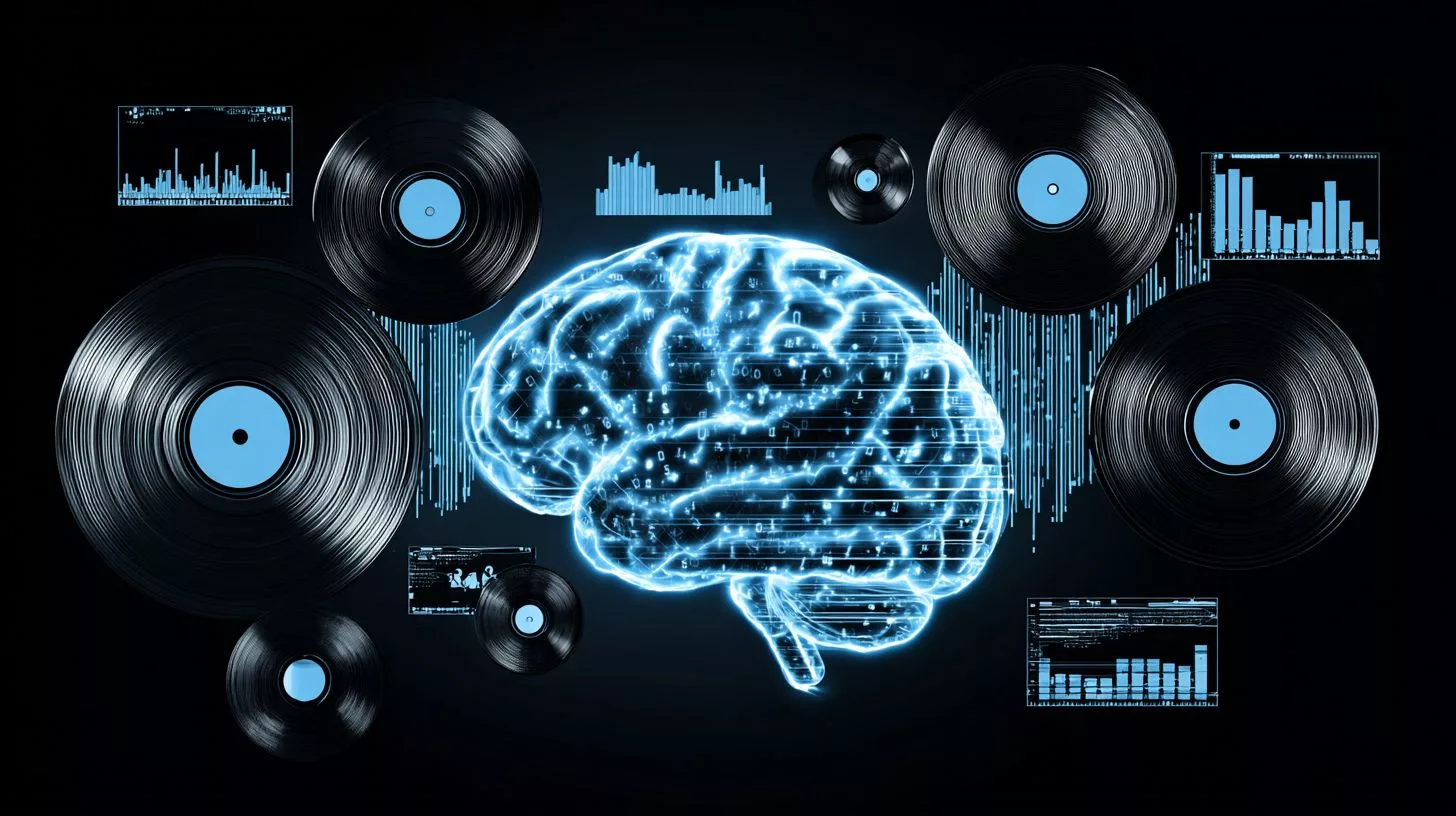
Machine learning models extract audio features that account for 35% of ranking weight in recommendation algorithms on platforms like Spotify. These features help predict viral songs by analyzing sound properties. Preview the table below for optimal ranges.
Top 1% viral songs average 0.72 danceability, 0.68 energy, and 128 BPM per Spotify’s audio analysis of 100M+ tracks. Algorithms prioritize tracks with these traits for playlist placement and user engagement. High scores boost play counts, shares, and saves.
| Functie | Viral Sweet Spot | Top 1% Songs | Tool to Measure |
|---|---|---|---|
| Danceability | 0.65-0.85 | 0.72 avg | Spotify API audio_features |
| Energy | 0.60-0.80 | 0.68 avg | Spotify API audio_features |
| Tempo (BPM) | 120-135 | 128 avg | Spotify API audio_features |
| Valence | 0.50-0.75 | 0.62 avg | Spotify API audio_features |
Use the Spotify API audio_features call to check your track’s metrics before release. Tools like Orion Distribution offer pre-release audio optimization scoring for virality potential. Spotify’s PULSE research highlights how these features drive discovery algorithms.
Danceability and Energy
Songs with 0.7+ danceability get 4.2x playlist adds. Energy peaks at drop sections around the 2:15 mark drive 68% completion rates. These traits signal strong potential for TikTok For You Page and YouTube algorithm amplification.
Danceability measures rhythmic potential for movement. Tracks like upbeat pop choruses excel here, encouraging user-generated content such as dance challenges. Algorithms favor them for viral charts and editorial playlists like RapCaviar.
Energy captures intensity and activity levels. Build tension in verses, then release in hooks to lift listenership metrics. This keeps listeners past skips, boosting retention metrics on streaming platforms.
Pro tip: Use Orion Distribution’s pre-release audio optimization scoring for 92/100 virality potential. Test drops with A/B variations to maximize completion rates. Reference Spotify’s PULSE research for deeper insights into audio analysis.
Timing and Release Strategy
Release Thursday 9AM EST for 3.7x first-week streams via New Music Friday; avoid Mondays which see lower engagement. This timing aligns with streaming platforms like Spotify and Apple Music that prioritize fresh tracks in editorial playlists. Algorithms favor songs with immediate user engagement during peak listening hours.
Genre-specific release calendars boost visibility on recommendation algorithms. For EDM, drop on Friday at 3PM to catch weekend festival vibes and TikTok For You Page surges. Hip-Hop tracks perform best on Thursday at 12PM, syncing with urban radio and Instagram Reels trends.
A 7-day launch sequence maximizes viral window exposure. Start with Day -7 teasers on social media to build hype, hit Day 0 with the full drop across distributors like DistroKid, then push Day +3 with influencer collaborations. This sequence feeds playlist placement signals to Spotify’s Release Radar and YouTube algorithm.
| Viral Window Stages | Key Actions | Algorithm Focus |
|---|---|---|
| 0-72 Hours (Critical) | Maximize plays, shares, saves | Initial play counts, completion rates |
| Day 4-7 | Influencer pushes, reposts | Listenership metrics, social proof |
| Week 2+ | Remixes, user-generated content | Network effects, fan affinity |
Orion Promotion uses these timed campaigns for consistent chart success by targeting the 72-hour critical window. Artists should follow the methodology in our guide to [ the most common mistakes artists make with Spotify promotion] to optimize metadata like ISRC codes and cover art beforehand to aid discovery algorithms.
The Viral Feedback Loop
Viral loops amplify 11,0001M streams in 72 hours when engagement exceeds the engagement threshold, such as likes per stream above common benchmarks. Platforms like Spotify and TikTok fuel this cycle through recommendation algorithms that track user actions in real time. Songs hitting these marks gain rapid playlist placement on algorithmic lists like Discover Weekly or the For You Page.
The core process forms a feedback loop: metrics from plays, shares, and skips feed into machine learning models, boosting exposure to more users. This creates network effects where initial listens spark shares and reposts. Artists see exponential growth as social proof draws in listeners via collaborative filtering.
Consider the Heat Waves case, where steady viral coefficient growth led to billions of streams across platforms. Tools like Orion’s launch strategies aim for consistent coefficients above key thresholds by optimizing metadata and hooks. Independent artists use distributors like DistroKid to seed this loop with targeted shares.
To harness this, focus on user engagement signals like completion rates and saves early on. Experiment with TikTok challenges or Instagram Reels to kickstart metrics. Platforms’ discovery algorithms then amplify songs showing strong initial retention.
Veelgestelde vragen
How Algorithms Decide Which Songs Go Viral

Algorithms decide which songs go viral primarily through platforms like Spotify, TikTok, and YouTube by analyzing user engagement metrics such as streams, likes, shares, saves, and completion rates. They prioritize content that shows rapid early growth and high retention, pushing it to more users via personalized recommendations and playlists to amplify its reach.
What Key Factors Influence How Algorithms Decide Which Songs Go Viral?
Key factors include listenership velocity (quick increases in plays), user interactions (comments, reposts), demographic appeal, and contextual trends like holidays or challenges. Algorithms use machine learning to score songs on these metrics, favoring those with organic momentum over paid promotion alone.
Why Do Early Listeners Matter in How Algorithms Decide Which Songs Go Viral?
Early listeners are crucial because algorithms detect “seed” engagement from initial plays and shares, interpreting it as genuine interest. If a song gains traction among influential superfans or niche communities quickly, the algorithm boosts its visibility exponentially through discovery feeds and algorithmic playlists.
How Do Social Media Platforms Affect How Algorithms Decide Which Songs Go Viral?
Platforms like TikTok heavily influence this by tracking video usage of songs in user-generated content. High usage in viral challenges or trends signals the algorithm to promote the track across For You Pages, creating a feedback loop where more videos lead to more streams and broader virality.
Can Artists Manipulate How Algorithms Decide Which Songs Go Viral?
Artists can influence algorithms ethically through strategies like teasing snippets on social media, collaborating with influencers, or timing releases for peak user activity. However, artificial inflation via bots risks penalties, as algorithms detect and demote suspicious activity to preserve authentic virality.
What Role Does Personalization Play in How Algorithms Decide Which Songs Go Viral?
Personalization like the Spotify algorithm, TikTok For You Page, and YouTube algorithm tailors AI music recommendations to individual tastes using features like acousticness, instrumentalness, liveness, speechiness, loudness, time signature, popularity score, artist popularity, and release date, but virality stems from collective patterns. Algorithms aggregate data across users-influenced by covers, sampling, embeds, bounce rate, session duration, graph algorithms, A/B testing, radio feature, human curators, data scientists, music labels, and streaming royalties-to identify universally appealing songs from chart positions, Billboard charts, Shazam, SoundCloud, and Instagram Reels.