The music industry’s relentless pace claims countless careers — burnout and mental health crises strike even the brightest talents. As a trusted resource for artists worldwide, Orion Promotion and Orion Distribution champion sustainable success amid these hidden threats. This guide covers symptoms, risk factors, performance pressures, touring demands, financial pitfalls, social media traps, proven prevention routines, and expert recovery resources. Your path to enduring brilliance starts here.
Understanding Burnout in Music
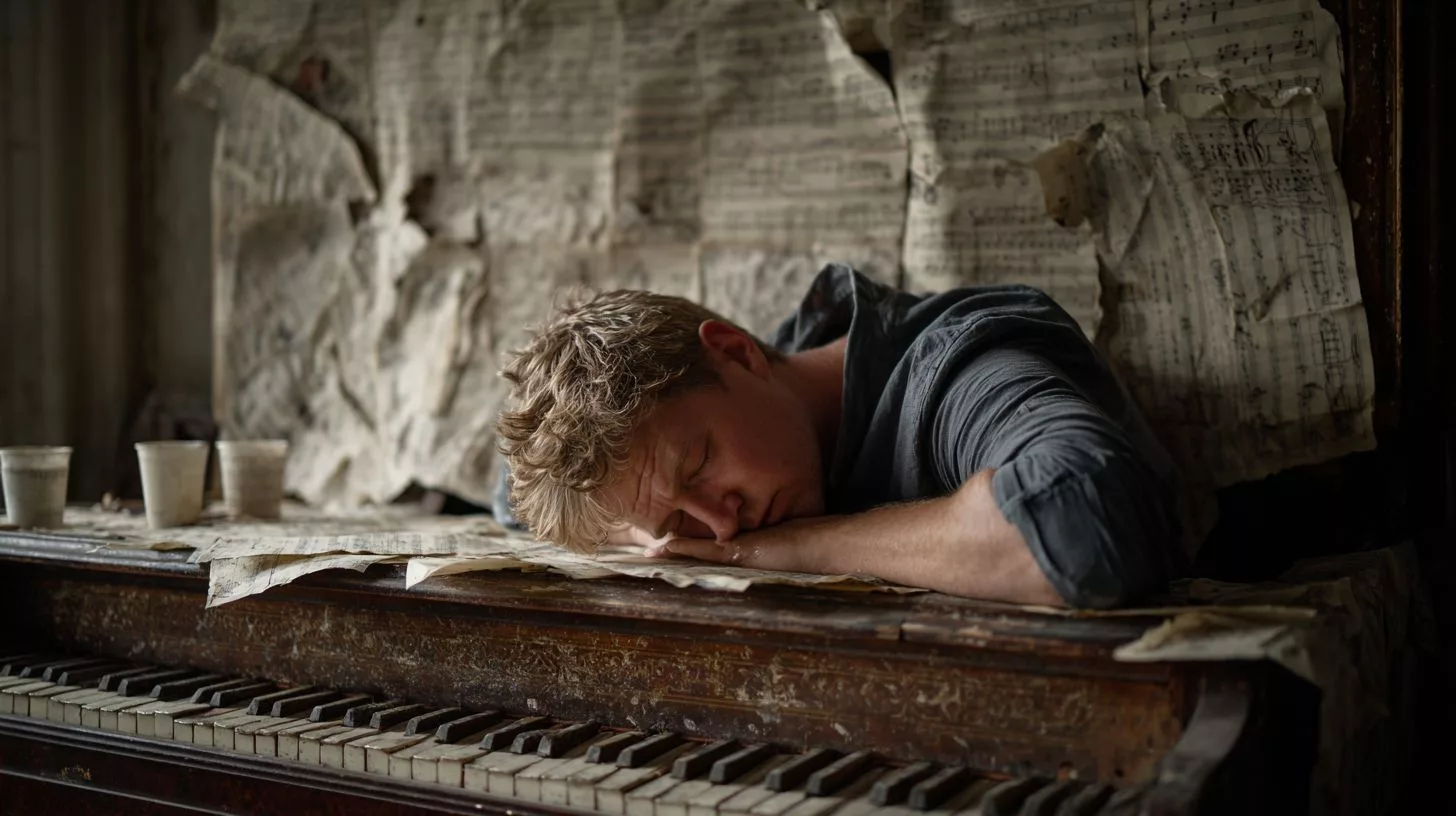
Burnout affects musicians deeply, often showing as emotional exhaustion, depersonalization, and reduced accomplishment according to the Maslach Burnout Inventory. The World Health Organization classifies burnout as an occupational phenomenon — not a medical condition — yet it significantly disrupts mental health in the music industry. Musicians face unique pressures from touring stress, creative demands, and constant deadline pressure that few other professions replicate.
Help Musicians UK surveys highlight widespread issues, with many artists reporting dangerously high stress levels. BASCA studies similarly note elevated stress among performers. These factors contribute to occupational burnout, directly impacting creativity and performance quality over time.
Burnout symptoms emerge gradually, starting with fatigue and cynicism before deepening into chronic phases. Early recognition is critical. Musicians can use self-assessments to track emotional exhaustion before it becomes unmanageable.
Understanding burnout symptoms and risk factors is the first step toward building genuine resilience. Self-care practices like mindfulness meditation, boundary setting, and peer support all play a role in long-term career sustainability.
Symptoms and Early Signs of Musician Burnout
Recognizing burnout’s early phase is essential for musicians who want to protect their mental health and career longevity. Key burnout symptoms include:
- Chronic fatigue — constant tiredness despite adequate rest, especially common after long tours
- Creative block — persistent inability to write, compose, or feel inspired
- Insomnia — disrupted sleep that worsens anxiety and emotional regulation
- Irritability — strained relationships with bandmates, managers, or family
- Procrastination — delayed studio work or missed deadlines without clear reason
- Cynicism toward music — losing the passion that originally drove your career
- Physical symptoms — headaches, weakened immunity, or unexplained aches
These align with the Maslach Burnout Inventory’s three dimensions: emotional exhaustion, depersonalization, and reduced accomplishment. Early detection prevents escalation to crisis or chronic stages per the Enochson burnout model.
Use a simple self-assessment checklist: rate the frequency of these signs on a 0–6 scale each week. Scores above 27 on emotional exhaustion signal high risk, suggesting intervention within two weeks. Practical tracking habits include:
- Track sleep patterns daily using a journal or app.
- Note moments of cynicism during rehearsals or songwriting sessions.
- Journal creative blocks to identify recurring patterns or triggers.
Risk Factors for Musicians
Musicians encounter heightened burnout risks from a combination of lifestyle and industry-specific pressures. The Job Demands-Resources model explains how high demands — like gig economy pressures — outpace available resources, leading to exhaustion. Key risk factors include:
- Irregular schedules — cause sleep deprivation, mimicking the effects of shift work
- Financial instability — fuels anxiety over streaming revenue stress and income volatility
- Performance pressure — triggers stage fright and imposter syndrome
- Social media pressure — sparks comparison traps and amplifies rejection sensitivity
- Isolation — hits solo artists particularly hard due to lack of peer support
- Substance abuse culture — risks addiction, though sobriety journeys can support recovery
Practical steps to address these risk factors:
- Prioritize boundary setting for work schedules and touring commitments.
- Build emergency funds gradually through diversified income streams.
- Practice breathing exercises before shows to manage performance anxiety.
- Limit social media use with intentional digital detox periods.
- Join musician wellness communities for peer support and shared experience.
- Explore therapy sessions to develop personalized coping strategies.
Mental Health Challenges in the Music Industry
The music industry faces a genuine mental health crisis. Research from the MusiCares Wellness Report highlights high rates of anxiety and depression among musicians. Performance anxiety and touring demands create unique psychological stressors, often amplified by an industry stigma that discourages artists from seeking help.
Polyvagal theory explains how performance anxiety activates the sympathetic nervous system, triggering fight-or-flight responses on stage. This chronic activation contributes to emotional burnout and exhaustion over time. Many performers struggle silently due to fears of appearing weak or unprofessional.
Sources of pressure include irregular schedules, financial instability, and rejection sensitivity. These factors fuel imposter syndrome and creative blocks. Addressing these mental health challenges requires targeted coping strategies built around the specific realities of a music career.
Early recognition of symptoms such as fatigue and depersonalization supports resilience building. Peer support groups and counseling help break the stigma. Musician wellness initiatives promote long-term psychological health in this demanding field.
Pressure from Performance
Performance anxiety triggers cortisol spikes before shows, leading to stage fright symptoms like heart palpitations and memory lapses. This cycle involves a pre-show surge, a post-performance adrenaline crash, and stress-induced memory issues. Musicians often experience depersonalization during high-stakes gigs, feeling disconnected from their own performance.
Polyvagal theory offers practical interventions to regulate the nervous system. Practice deep diaphragmatic breathing at six breaths per minute to activate the parasympathetic response. Vagus nerve stimulation through humming or cold exposure can calm the body quickly. Effective techniques include:
- Progressive muscle relaxation — tense and release muscle groups from toes to head before performing
- Visualization protocols — imagine a successful set in vivid detail to build confidence and reduce anticipatory anxiety
- Mindfulness meditation — combine with breathwork for sustained anxiety reduction before and after shows
Some classical musicians use beta-blockers for symptom relief, but experts recommend holistic methods first. These practices enhance peak performance and prevent occupational burnout. Regular therapy sessions reinforce these tools for ongoing mental wellbeing.
Touring and Lifestyle Demands

Touring disrupts circadian rhythms with constant travel, leading to sleep deprivation and post-tour blues. Musicians averaging short sleep durations experience circadian misalignment and melatonin suppression, fueling exhaustion, poor nutrition, and relationship strain.
Key touring stressors include:
- Social jetlag from crossing multiple time zones
- Exercise cessation due to lack of access or time
- Nutrition deficits from irregular meals and limited healthy options
- Relationship strain from prolonged absences
- Emotional isolation despite being surrounded by people
Practical strategies for managing touring demands:
- Light therapy schedules — morning light exposure resets internal clocks and supports mood regulation
- Melatonin dosing — 0.5–3mg before sleep in new time zones helps realign circadian rhythm
- Grounding techniques — walking barefoot or brief nature exposure reduces jetlag effects and anxiety
- Yoga therapy and journaling — portable self-care practices that can be maintained on the road
Examples like Billie Eilish’s 2019 tour wellness team demonstrate that proactive support works. Building work-life balance through intentional boundary setting sustains career longevity and prevents festival burnout.
Causes Specific to Music Careers
Music career economics create chronic stressors. Streaming platforms pay around $0.0039 per stream, meaning artists need approximately 250,000 streams to earn $1,000. This financial pressure builds ongoing anxiety that compounds with social media’s 24/7 performance demand.
Social media pressure fuels dopamine loops that heighten stress and mental health challenges for performers. Experts note these platforms increase feelings of inadequacy through constant comparison. The Conservation of Resources theory explains how such demands deplete emotional and creative reserves over time.
Financial instability leads to irregular schedules and sleep deprivation, common in touring stress and gig economy burnout. Rejection trauma from critical reviews or industry gatekeepers adds to emotional burnout. These root causes must be addressed directly for musicians to achieve long-term career sustainability.
Musicians also experience performance anxiety and creative blocks from deadline stress. Peer support groups can help with early prevention, but industry stigma often delays recognition of burnout symptoms until they become severe.
Financial Instability and Streaming Economics
Financial instability is one of the most pervasive and underacknowledged causes of musician burnout. Many artists live paycheck-to-paycheck despite growing industry revenues, struggling to cover emergencies or plan for the future.
Streaming math highlights the challenge: platforms pay roughly $0.0039 per stream, requiring approximately 256,000 streams for $1,000 in earnings. This creates income volatility with frequent monthly fluctuations that make financial planning extremely difficult.
Occupational burnout worsens from such unpredictability, leading to chronic stress and fatigue. Artists face exhaustion from balancing creative work with basic survival needs. Five practical financial stabilization strategies can help:
- Build multiple income streams — sync licensing for ads or films provides more reliable revenue than streaming alone
- Use platforms like Patreon — dedicated fans provide steady monthly support with manageable content expectations
- Explore live streaming — platforms like Twitch allow earnings through viewer tips and subscriptions
- Sell merchandise — high profit margins from shows and online stores boost revenue significantly
- Choose distribution services that retain full royalties — avoiding heavy label cuts preserves more of your earnings
Implementing these strategies reduces financial instability and allows greater focus on music creation. Artist wellness improves with better work-life balance, cutting risks of depression, anxiety, and other mental health conditions.
Social Media and Fame Expectations
Social media creates hustle culture burnout for musicians who dedicate significant hours weekly to content creation. Algorithm anxiety impacts daily mental health, with platforms demanding constant output that fuels imposter syndrome, comparison culture, and fan expectation pressure.
Platform-specific pressures intensify the issue:
- TikTok — pushes frequent posts to stay visible, triggering FOMO and performance anxiety
- Instagram — low engagement rates spark feelings of inadequacy and virality stress
- Twitter/X — character limits and public criticism add frustration and emotional drain
A practical digital detox protocol offers relief:
- Set a strict daily limit on social media apps — four hours is a reasonable starting point.
- Switch your phone to grayscale mode to reduce the visual appeal of scrolling.
- Block all non-essential notifications during creative work hours.
Managed social strategies from promotion services can eliminate much of the artist burnout by handling posting and engagement professionally. This frees artists for self-care practices like mindfulness meditation and recharge rituals. Prioritizing mental wellbeing combats emotional drain and supports sustained creativity.
Prevention Strategies for Musician Mental Health
The Job Demands-Resources model highlights the need to balance job demands with available resources in high-pressure fields like music. Preventing creative burnout involves building personal resources to counter demands such as tour fatigue, studio pressure, and deadline pressure. Psychological capital — including hope, efficacy, resilience, and optimism — acts as a buffer against chronic psychological toll.
Effective prevention for musician mental health and burnout involves:
- Evidence-based daily routines that prioritize sleep hygiene and recovery
- Clear boundaries around work hours, touring commitments, and creative output
- Psychological capital building through optimism training and resilience practices
- Early intervention by recognizing symptoms like fatigue and creative block before they escalate
- Peer support groups and counseling to reduce isolation and industry stigma
Routine-building supports work-life balance and reduces emotional exhaustion. Incorporating self-care practices like mindfulness meditation alongside creative work helps performers maintain mental wellbeing amid financial instability and industry pressures. Consistent habits lead to long-term career sustainability.
Building Healthy Daily Routines

Seven daily rituals can significantly lower burnout risk for musicians. These practices draw from habit stacking principles and can be adapted to irregular touring schedules:
- Sleep hygiene (7–9 hours) — block blue light two hours before bed to support melatonin production and recovery from sleep deprivation
- Morning light exposure (15 minutes) — get 10,000 lux exposure to regulate circadian rhythm and support vitamin D levels
- Breathwork (5 minutes) — practice the 4-7-8 box breathing protocol to calm anxiety and improve nervous system regulation
- Zone 2 cardio (30 minutes) — aim for 70% max heart rate for endorphin boost and adrenal fatigue relief
- Mediterranean diet focus — prioritize omega-3s and whole foods to balance serotonin levels and reduce inflammation
- Digital sunset at 8pm — keep devices in another room post-sunset to minimize social media fatigue and notification burnout
- Gratitude journaling — note three daily entries to cultivate optimism and counter imposter syndrome
Use habit stacking by pairing new rituals with existing ones — for example, breathwork after morning coffee. Track progress with a simple 21-day sheet to build consistency. This method helps overcome procrastination cycles and perfectionism traps common among artists.
Combine these routines with psychological capital exercises like optimism training and somatic therapy. Songwriters might journal lyrics during gratitude time for creative catharsis. Over time, these habits enhance resilience and creativity in the face of rejection trauma and industry pressure.
Recovery and Treatment Options for Burnout
Burnout recovery averages 8–12 weeks with integrated treatment combining professional therapy, lifestyle redesign, and social reconnection. Experts outline a three-phase recovery process based on the Enochson model:
- Stabilization (Weeks 1–4) — manage acute symptoms like panic attacks, severe fatigue, and emotional exhaustion
- Rebuilding (Weeks 5–8) — restore daily function through self-care practices, yoga therapy, and nutrition balance
- Reintegration (Weeks 9–12) — gradually resume creative work with monitored exposure to triggers like short gigs
Research suggests integrated methods outperform single modalities for occupational burnout in high-stress fields like music. Combining CBT (cognitive behavioral therapy), DBT (dialectical behavior therapy), mindfulness meditation, and peer support groups targets root causes such as touring stress and rejection trauma. Musicians often find additional relief through journaling habits and boundary setting during recovery.
Early intervention with a psychiatrist consultation or psychologist advice prevents chronic stress from worsening into depersonalization. Tailor the recovery plan to individual needs, incorporating breathing exercises or somatic experiencing for nervous system regulation. Consistent progress tracking ensures steady relapse prevention and long-term mental wellbeing.
Professional Support Resources for Musicians
Access vetted mental health resources tailored for musician wellness, starting with crisis intervention and extending to ongoing therapy. These options address burnout recovery needs including anxiety, depression, PTSD, and substance abuse in the music industry. Many offer free or low-cost entry points with musician-specific expertise.
Begin by calling hotlines for immediate help, then apply for grants or schedule therapy sessions. Wait times vary: crisis lines respond in minutes, therapy grants typically take 2–4 weeks. Use online directories with a “musician” filter for quick matches.
| Organization | Serviço | Cost | Contact | Best For |
|---|---|---|---|---|
| MusiCares | Free 24/7 crisis counseling | Free | 800-687-4227 | Acute crisis, emotional burnout |
| Sound Minds | Musician-specific CBT therapy | GBP60/session | Online booking | Performers with anxiety |
| Promoção Orion | Wellness coaching | Free with campaigns | Contact via promo inquiry | Career musicians, stress management |
| Help Musicians | Therapy grants, vouchers | Up to GBP150 coverage | Apply online (UK) | UK artists, financial instability |
| The Well | Sober coaching | $150/month | Online enrollment (US) | Sobriety journey, addiction recovery |
| Backline | Free counseling | Free | Hotline (US/Canada) | PTSD, touring stress |
Follow access instructions: dial MusiCares for instant support, submit Help Musicians forms promptly. Pair professional support with lifestyle changes like sleep hygiene and daily routines for best results. These resources reduce industry stigma around seeking help and support long-term musician mental health.
Frequently Asked Questions
What is burnout in the context of mental health and music?
Burnout in music refers to a state of emotional, physical, and mental fatigue caused by prolonged exposure to the high-pressure demands of the music industry — including relentless touring, performance anxiety, and creative demands — leading to reduced performance and personal wellbeing.
How does the music industry contribute to mental health problems?
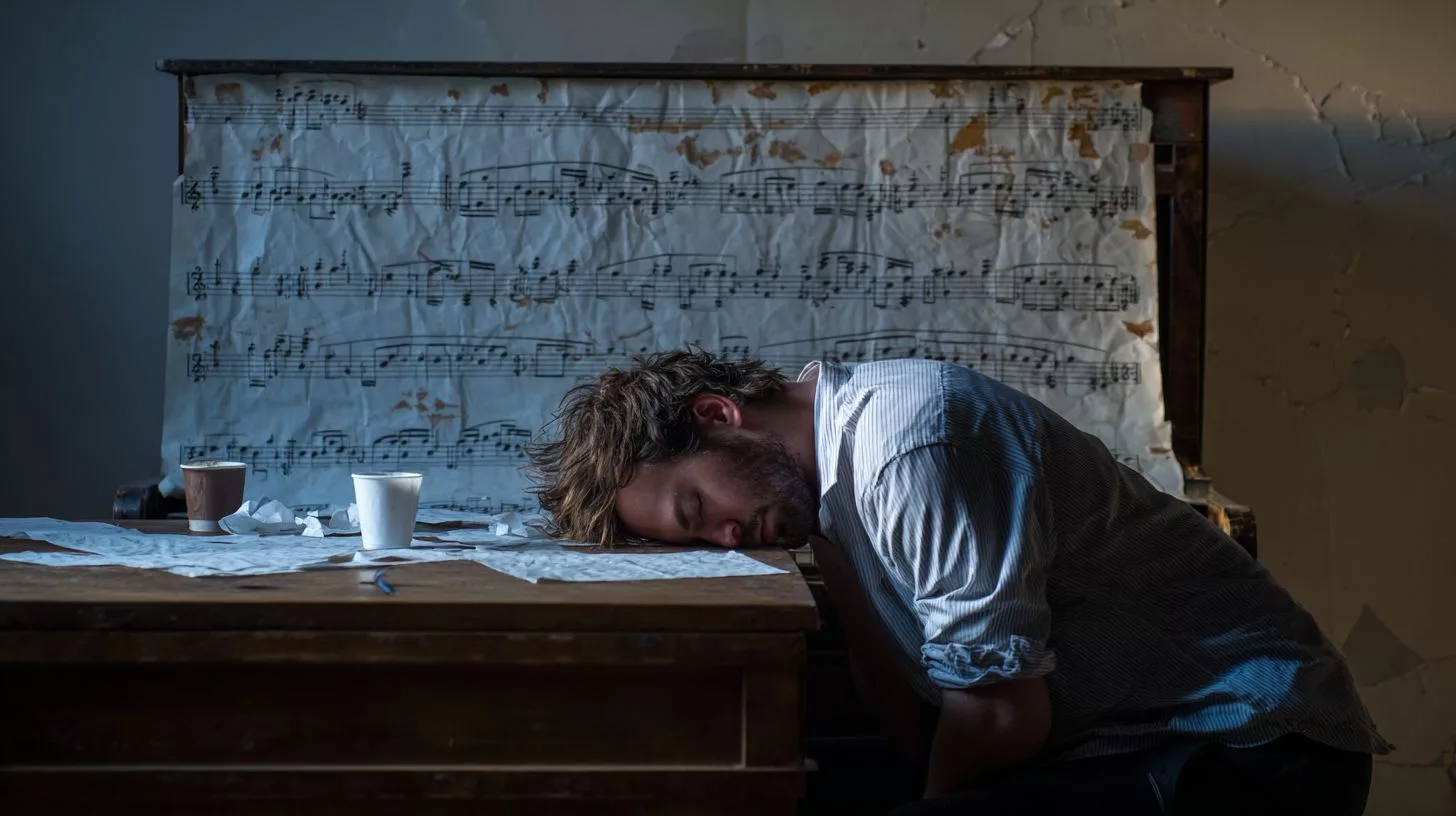
The music industry exacerbates mental health and burnout through irregular schedules, financial instability, constant public scrutiny, substance culture, and the pressure to constantly produce hits — all of which can overwhelm musicians’ coping mechanisms over time.
What are common signs of burnout for musicians?
Common signs of musician burnout include chronic fatigue, loss of creative inspiration, motivation dips, irritability, insomnia, anxiety during performances, social withdrawal, and physical symptoms like headaches or weakened immunity.
How can musicians prevent burnout?
Musicians can prevent burnout by setting clear boundaries on work hours, prioritizing sleep and exercise, building a recovery community, practicing mindfulness or therapy, taking regular breaks from touring, and learning to say no to overcommitments.
What role does therapy play in addressing musician burnout?
Therapy is crucial for musician mental health and burnout recovery, offering tools like cognitive behavioral therapy (CBT) to reframe negative thoughts, stress management techniques, and a safe space to process industry-specific traumas — helping musicians regain balance and creative confidence.
Are there resources specifically for musician mental health and wellness?
Yes, resources for musician mental health include organizations like MusiCares, the Black Mental Health Alliance for music professionals, apps like Headspace tailored for creatives, and peer support groups within the industry for sharing experiences and coping strategies.