Why YouTube Shorts Is a Game-Changer for Independent Artists
If you’re looking for actionable YouTube Shorts music promotion tips, you’re in the right place. YouTube Shorts has quietly become one of the most powerful discovery tools for independent musicians. With over 70 billion daily views across the platform, Shorts gives artists a direct line to new listeners — without a label budget or a viral moment on another platform.
YouTube Shorts are vertical videos of up to 60 seconds, served through a dedicated feed that prioritizes engagement over follower count. That means even a brand-new artist can reach thousands of people with the right content. The algorithm rewards watch time, replays, and shares — so quality and creativity matter more than clout.
In addition, Shorts are deeply integrated with YouTube’s broader ecosystem. A viewer can tap your channel, find your long-form videos, and subscribe — all from a single Short. That cross-content funnel is something TikTok and Instagram Reels simply can’t replicate at the same scale.
How to Add Your Own Music to a YouTube Short
Adding your own song to a Short is straightforward. Open the YouTube app, tap the “+” icon, and select “Create a Short.” From there, tap the music note icon to open the audio picker. If your music is distributed to YouTube Music, it should appear in the sound library — searchable by artist name or song title.
To make sure your music shows up, distribute it through a music distribution service that delivers to YouTube Music. Once your track is live, it becomes available for anyone to use in their Shorts — not just you. That’s a powerful organic reach multiplier.
If your track isn’t appearing yet, give it 24–72 hours after release. Also confirm with your distributor that YouTube Music delivery is enabled for your release.
Distribute Your Music to the YouTube Shorts Sound Library
Getting your music into the YouTube Shorts sound library is one of the most overlooked music promotion moves. When fans and creators use your track in their own Shorts, your song gets exposed to their audiences — for free. This is essentially user-generated content working on your behalf.
Make sure your distributor delivers to YouTube Music as part of your standard release. Most major distribution services include this, but it’s worth double-checking before your release date.
Top YouTube Shorts Music Promotion Tips to Grow Your Audience
Hook Viewers in the First 3–5 Seconds
The swipe-away rate on Shorts is brutal. If you don’t grab attention immediately, viewers scroll past without a second thought. Your first 3–5 seconds need a visual or audio hook that makes someone stop.
For musicians, this could be the most recognizable part of your song, an unexpected visual, or a bold on-screen text statement. Avoid slow intros or generic “hey guys” openings. Start with the moment that matters most.
Behind-the-Scenes and Studio Session Content
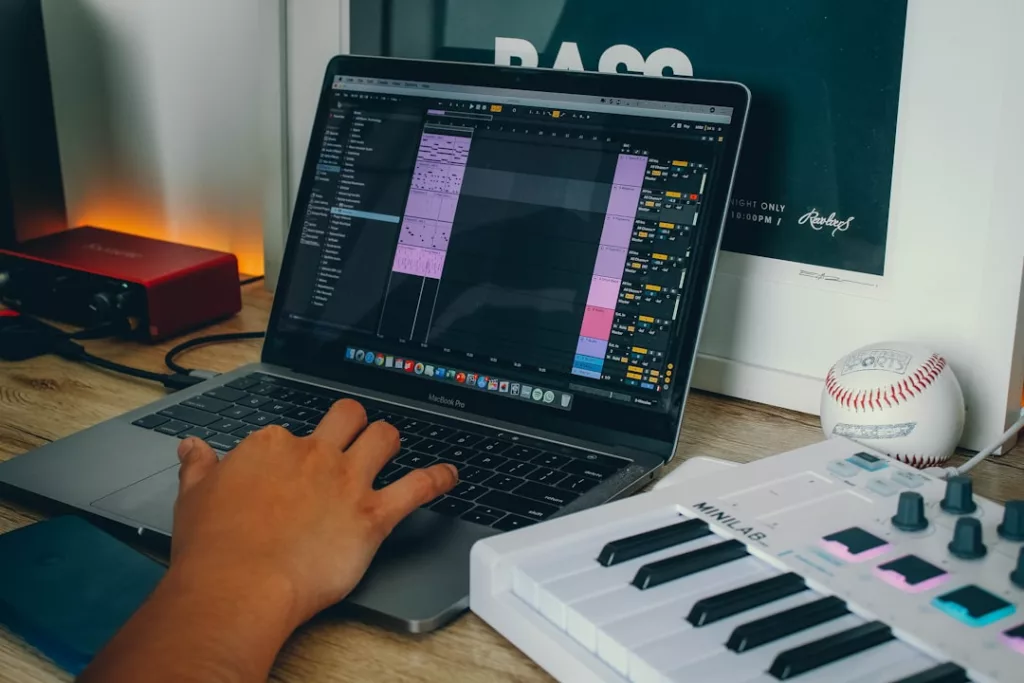
Audiences connect with process, not just polished product. Behind-the-scenes content — recording sessions, beat-making clips, vocal takes, or even gear tours — performs consistently well on Shorts. It builds intimacy with your audience while showcasing your music naturally.
For example, a 30-second clip of you laying down a vocal over a beat, with the final chorus playing at the end, gives viewers both entertainment and a preview of your sound. Similarly, “how I made this beat in 60 seconds” content works especially well for producers.
Participate In or Create Viral Challenges
Challenges are one of the fastest ways to spread a song. You can either participate in an existing trending challenge using your track, or create your own. A simple, repeatable movement or visual concept tied to your song’s hook is often enough to spark organic participation.
When creating a challenge, make it easy to replicate. The lower the barrier to entry, the more people will join. Encourage fans to tag you and use a specific hashtag so you can track and reshare entries.
Encourage Fan-Generated Content
Once your music is in the sound library, actively encourage fans to use it. Ask them in your captions, in your community posts, and in your other Shorts. Feature the best fan videos on your channel — people love recognition, and it motivates others to participate.
Fan-generated content is essentially free promotion. Each video using your track reaches a new audience segment. Even a modest fan base can generate significant reach if they’re engaged and active.
How Often Should Musicians Post YouTube Shorts?
Consistency beats volume on Shorts. Posting 3–4 Shorts per week is the sweet spot for most independent artists. This frequency keeps you visible in the algorithm without burning out your content ideas or production capacity.
However, quality still matters. A well-crafted Short with a strong hook will outperform five rushed, low-effort clips every time. Build a small content calendar so you always have ideas ready — even if some weeks you only post two.
In addition, pay attention to your posting times. YouTube Studio shows when your subscribers are most active. Posting during those windows gives each Short a better chance of early engagement, which signals the algorithm to push it further.
Optimizing Titles, Descriptions, Hashtags, and Tags
Discoverability on YouTube — even for Shorts — depends on metadata. Use a clear, descriptive title that includes your song name, artist name, or genre. Avoid vague titles like “new music” that tell the algorithm nothing.
In your description, add your song name, a link to stream it, and 2–3 relevant hashtags. Always include #Shorts as one of your hashtags — this signals YouTube to serve the video in the Shorts feed. Add genre-specific tags like #IndieMusic, #HipHop, or #EDM to help with topic-based discovery.
Keep descriptions short but useful. A single sentence about the song plus your streaming link is enough. Don’t stuff hashtags — 3 to 5 is optimal.
Genre-Specific Shorts Strategies
Different genres perform differently on Shorts. Here’s a quick breakdown:
- Hip-hop and rap: Freestyle clips, bar breakdowns, and behind-the-scenes studio footage perform strongly. Energy and authenticity drive engagement.
- EDM and electronic: Drop reveals, build-and-release clips, and live performance moments capture attention fast. Visual effects and lighting work well here.
- Indie folk and singer-songwriter: Intimate acoustic performances, lyric reveals, and emotional storytelling resonate deeply. Authenticity is the hook.
- Pop: Trend participation, choreography, and polished visual content tend to perform best. Hooks need to be immediate and catchy.
- R&B and soul: Vocal showcases, harmonizing clips, and emotional performance moments connect well with audiences on Shorts.
Tailor your content approach to what your genre’s audience already engages with. Study what’s working for similar artists and build from there.
Cross-Promoting Shorts to TikTok, Instagram Reels, and Beyond
One of the most efficient YouTube Shorts music promotion tips is to repurpose your content across platforms. A Short you create for YouTube can be uploaded to TikTok and Instagram Reels with minimal editing — just remove the YouTube watermark before reposting.
Each platform has its own algorithm and audience, so cross-posting multiplies your reach without multiplying your workload. However, note that TikTok and Reels may slightly suppress content with visible watermarks from other apps. Use a tool to clean the video before uploading.
When cross-promoting, link back to your YouTube channel in your bio and captions. This creates a traffic loop that builds your subscriber count across all platforms simultaneously.
Shorts vs. TikTok vs. Reels: Which Is Better for Music Discovery?
Each platform has real strengths. TikTok still leads in pure music virality and has a younger demographic that’s highly active with sound-based content. Instagram Reels benefits from Facebook’s ad ecosystem and works well for artists with an existing visual brand.
YouTube Shorts, however, offers something unique: permanence and ecosystem depth. A viral Short can drive subscribers to your long-form content, boost your YouTube Music streams, and even surface in Google Search results. According to YouTube, Shorts content is indexed alongside regular YouTube videos, giving it longer-term discoverability than TikTok or Reels.
For most independent artists, the smart move is to use all three — but build your home base on YouTube where the long-term SEO value compounds over time.

Linking Shorts to Official Music Videos and Full Tracks
Always include a call to action in your Shorts that drives viewers toward your full content. Add a link to your official music video in the description, or use YouTube’s end screen and pinned comment features to guide viewers to the full track.
This is how you convert casual Shorts viewers into real fans. Someone who watches a 30-second clip of your song and then clicks through to the full video is a far more engaged listener than someone who just streams passively.
In addition, linking your Shorts to your official music video boosts watch time on that video — which helps it rank higher in YouTube search. It’s a reinforcing loop that benefits your entire channel.
Converting Shorts Viewers Into Streaming Followers: A Simple Funnel
Growing on Shorts is only valuable if you can move those viewers into long-term fans. Here’s a simple conversion funnel:
- Hook them with a Short — use your best 30-second clip with a strong audio hook.
- Drive to your full video — link the official music video in the description or pinned comment.
- Prompt a subscribe — ask viewers to subscribe for more music at the end of your full video.
- Push to streaming platforms — include your Spotify or Apple Music link in your channel bio and video descriptions.
- Capture with a free download or newsletter — offer something in exchange for an email address to own the relationship long-term.
This funnel moves someone from a casual scroll to a loyal fan across multiple platforms. Services like Orion Promotion can help amplify the streaming side of this funnel through targeted Spotify playlist pitching — connecting your music with real curators who match your genre and audience.
Using YouTube Studio Analytics to Improve Your Shorts
YouTube Studio gives you detailed data on how your Shorts are performing. Focus on these key metrics:
- Audience retention curve: Shows exactly where viewers drop off. If most people leave in the first 3 seconds, your hook needs work.
- Swipe-away rate: A high swipe-away rate early in the video signals a weak opening. Test different hooks to reduce this.
- Impressions vs. views: A low click-through rate on impressions means your thumbnail or title isn’t compelling enough.
- Traffic sources: Understand whether your views come from the Shorts feed, search, or external sources.
Use this data to run informal A/B tests. Try different hooks, audio clips, or opening visuals across similar videos and compare performance. Over time, you’ll develop a clear picture of what your specific audience responds to.
Can You Make Money From Music on YouTube Shorts?
Yes — but the mechanics are nuanced. YouTube pays Shorts creators through the Shorts Creator Pool, where ad revenue is pooled and distributed based on your share of total Shorts views. The rates are generally lower than long-form YouTube monetization. However, as a musician, your bigger earning opportunity comes from YouTube Music streams driven by your Shorts, not the Shorts ad revenue itself.
When viewers use your song in their own Shorts, you earn royalties through Content ID — assuming your distributor has registered your music. This passive royalty stream can grow significantly as your music spreads across the platform.
Paid Promotion and Sync Opportunities From YouTube Shorts
Beyond organic growth, YouTube Shorts can be boosted through YouTube Ads. You can promote your best-performing Shorts as video discovery ads or skippable in-stream ads, targeting users by genre interest, age, location, and more. This is especially useful around a new release when you want to accelerate early momentum.
In addition, viral Shorts have opened real doors for sync licensing and label interest. Music supervisors and A&R scouts increasingly monitor trending Shorts for undiscovered talent. A song that demonstrates organic traction on Shorts is a compelling pitch — it proves audience demand before any formal deal is in place.
Accessibility Best Practices for Shorts
Adding captions to your Shorts isn’t just an accessibility win — it’s a discoverability tool. Many users watch Shorts without sound, especially in public. Captions keep those viewers engaged and improve your average watch time.
YouTube’s auto-captions are a good starting point, but editing them for accuracy improves both accessibility and the viewer experience. In addition, clear on-screen text and high-contrast visuals help viewers with visual impairments engage with your content more fully.
Frequently Asked Questions About YouTube Shorts for Musicians
How do I promote my music on YouTube Shorts?
Post regular Shorts featuring your music — studio sessions, performance clips, lyric reveals, and challenges. Add your song to the YouTube Music sound library through your distributor, optimize your titles and hashtags, and link every Short back to your full track or music video.
Do YouTube Shorts help musicians get discovered?
Yes. The Shorts algorithm surfaces content to non-subscribers based on engagement, not follower count. This gives independent artists a real shot at reaching new listeners without paid promotion.
How often should musicians post YouTube Shorts?
Aim for 3–4 Shorts per week. Consistency signals the algorithm that your channel is active, while keeping your content quality high enough to hold attention.
What type of content works best for music promotion on YouTube Shorts?
Behind-the-scenes studio content, performance clips, lyric reveals, challenges, and fan engagement posts all perform well. The key is pairing strong visuals with your most hooky audio moment.
How do I add my own song to a YouTube Short?
Tap the music note icon in the Short creation screen and search for your track in the audio picker. Your song must be distributed to YouTube Music for it to appear in the library.
Is YouTube Shorts better than TikTok for music promotion?
Both platforms have unique strengths. TikTok drives faster virality, but YouTube Shorts offers longer-term discoverability through Google Search and deeper integration with YouTube’s full ecosystem. Most artists benefit from using both.
Conclusion: Build Your Music Career With YouTube Shorts
These YouTube Shorts music promotion tips give you a clear, repeatable system for growing your audience on one of the most powerful discovery platforms available to independent artists today. From hooking viewers in the first five seconds to converting casual viewers into streaming fans, every step compounds over time.
Start with consistency, optimize your metadata, get your music into the sound library, and use YouTube Studio analytics to keep improving. The artists winning on Shorts aren’t necessarily the most talented — they’re the most strategic.
If you want to amplify your streaming growth alongside your Shorts strategy, Orion Promotion offers targeted Spotify playlist pitching with real curators, transparent pricing, and zero bots — a natural next step once your music starts gaining traction.
Frequently Asked Questions
How do I promote my music on YouTube Shorts?
To promote your music on YouTube Shorts, upload vertical videos (under 60 seconds) featuring your original songs, behind-the-scenes clips, or lyric previews. Add your track using YouTube’s sound picker so viewers can use it in their own Shorts. Use relevant hashtags like #NewMusic and #IndieArtist, post consistently, and include a call-to-action directing viewers to your full song or channel.
Do YouTube Shorts help musicians get discovered?
Yes, YouTube Shorts actively helps musicians get discovered. The Shorts feed surfaces content to users who don’t already follow you, giving independent artists organic reach without paid promotion. When viewers save your sound or click through to your channel, YouTube’s algorithm treats that as a strong engagement signal, increasing the likelihood your content is shown to even more potential fans.
How often should musicians post YouTube Shorts?
Most music marketing experts recommend posting YouTube Shorts 3–5 times per week for consistent algorithmic traction. Frequency matters more than perfection in the short-form format. Posting daily during a song launch period can significantly boost discovery. Use YouTube Studio analytics to identify which days and times your audience is most active, then schedule posts accordingly for maximum reach.
How do I add my own song to a YouTube Short?
To add your own song to a YouTube Short, upload the track to your YouTube channel first, then create a Short and select it from the sound picker. Alternatively, distribute your music through a service like DistroKid or TuneCore, which can deliver your songs to YouTube’s Content ID and sound library, making them available for you and other creators to use in Shorts.
What type of content works best for music promotion on YouTube Shorts?
The highest-performing music content on YouTube Shorts includes: hook previews (first 15 seconds of a song), studio or rehearsal behind-the-scenes clips, reaction videos to your own releases, lyric reveals, and ‘how I made this beat’ breakdowns. Content that triggers an emotional response or curiosity gap in the first two seconds consistently outperforms polished but slow-starting videos.
Can you make money from music on YouTube Shorts?
Yes, musicians can earn money from YouTube Shorts in multiple ways. If you’re in the YouTube Partner Program, you receive a share of ad revenue from the Shorts feed. Additionally, when other creators use your original sound in their Shorts, you may earn royalties through Content ID. Shorts can also drive streams on Spotify and Apple Music, generating additional royalty income indirectly.
Is YouTube Shorts better than TikTok for music promotion?
It depends on your goals. TikTok currently has a larger viral discovery engine and stronger music culture, making it effective for rapid trend-driven exposure. YouTube Shorts, however, connects directly to your long-form channel, converting casual viewers into subscribers more efficiently. Many independent musicians see the best results using both platforms simultaneously, repurposing the same vertical video content across each.
Why are YouTube Shorts important for independent musicians?
YouTube Shorts give independent musicians access to a massive discovery engine without requiring a label budget or existing fanbase. Unlike long-form YouTube videos that rely on search intent, Shorts are pushed to new audiences through an algorithmic feed. This levels the playing field, allowing an unsigned artist with a compelling 30-second clip to reach millions of potential fans organically.